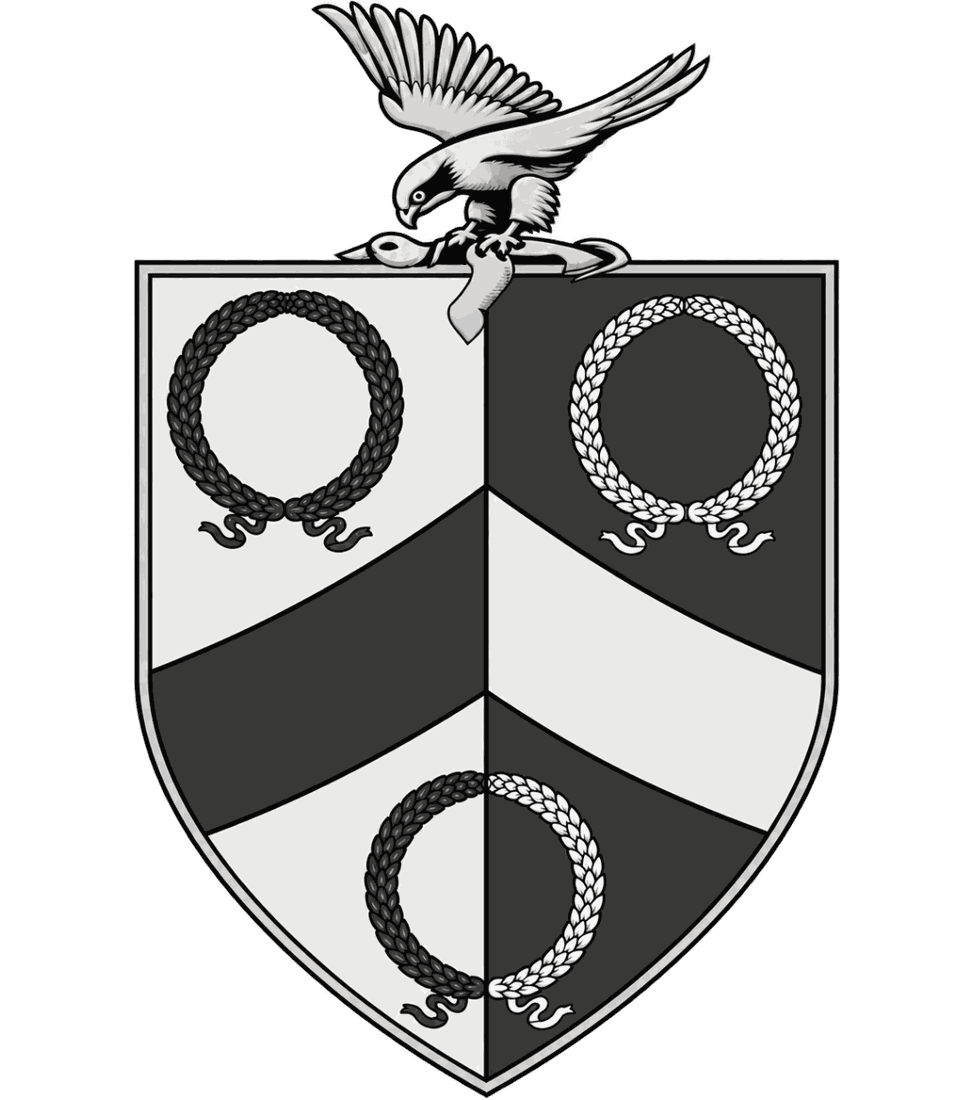

The Yarburgh crest Yarburgh

Est. 853

A private record of the house, the name, and the ground it came from.


The House of Yarburgh Founded 853
I

Germund

In the year 853 a man named Germund founded the house that carries the name. He came out of Denmark with the fleets that had been working the English coast for a generation, and he settled in the flat country of Lindsey rather than sailing home with them.

The house is reckoned the eleventh oldest recorded family in England.

A descendant of Germund, Eustachius de Yarburgh, was later made lord of Yarburgh. The village and the family have answered to both spellings, Yarburgh and Yarborough, ever since.

II

The Name

Yarburgh is Old English, and means a fortification made of earth. The village sits northeast of Louth in Lincolnshire. Saxons are held to have founded it. The Danes held it after them, and the north edge of the village still answers to Dane Court.

By 1086 the clerks of the Domesday survey wrote it Gereburg. Later hands made it Jerdeburc, then Yarborough, then Yarburgh.

Plate I
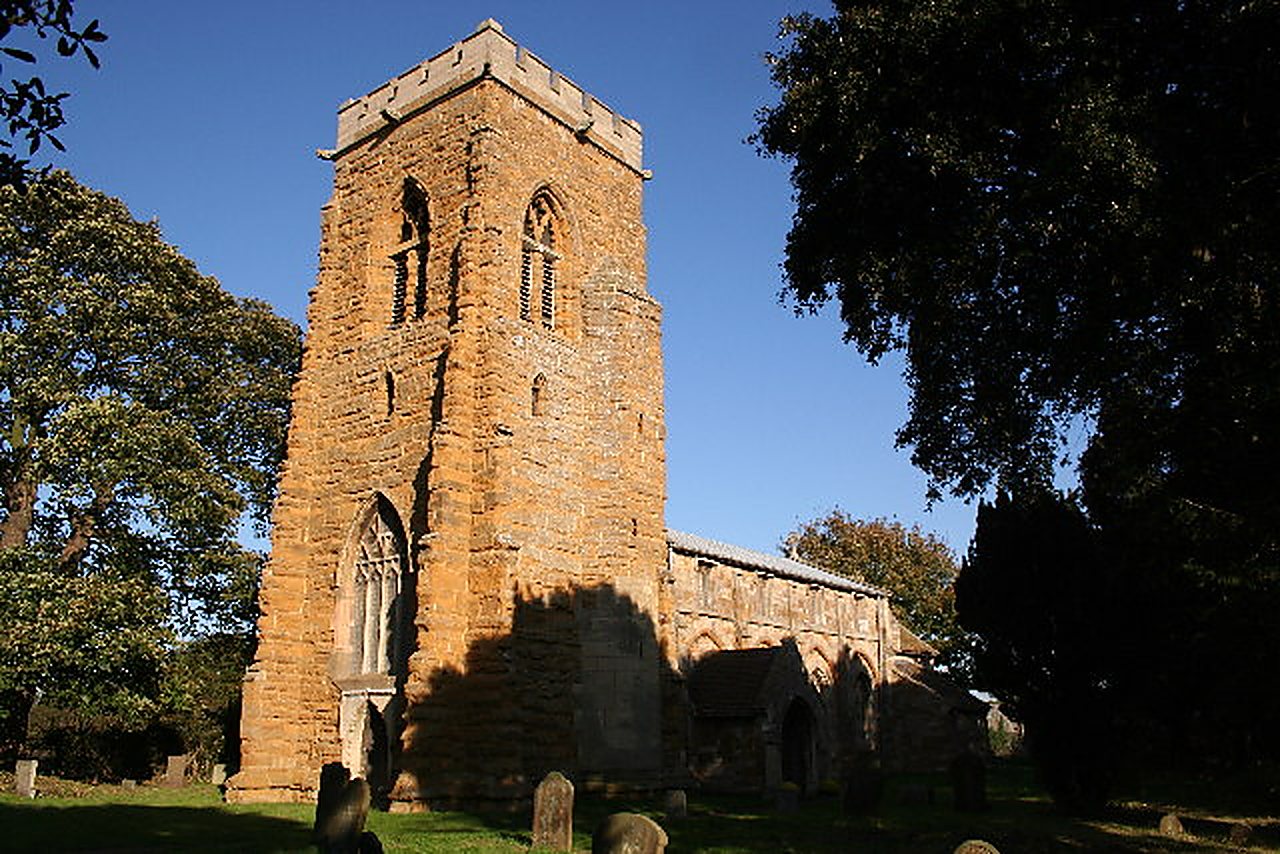
The parish church of St John the Baptist at Yarburgh, Lincolnshire
St John the Baptist · Yarburgh, Lincolnshire
III

The Parish

A church has stood at Yarburgh since at least the thirteenth century. Fire took it in 1405 and it was rebuilt from the same sandstone, the tower keeping a carved doorway of the fifteenth century. It was restored in 1855 and is now held by the Churches Conservation Trust.

The parish registers open in 1540 and run without a break into the twentieth century.


IV

Heslington

In 1708, on the death of Thomas Hesketh, Heslington Hall passed by marriage to the Yarburghs. The house outside York had been built between 1565 and 1568 for Sir Thomas Eynns, Secretary and Keeper of the Seal to the Council of the North. The family kept it for the better part of two and a half centuries.

Major Nicholas Yarburgh held the house from 1825 and in 1839 won the St Leger with Charles the Twelfth. On his death in 1852 it passed to his nephew, and in 1854 Philip Charles Hardwick largely rebuilt it in the Jacobethan manner, sparing the courtyard, the two stair towers and the ceiling of the great hall.

The Royal Air Force used the house as a headquarters during the war. The family did not return to it, and in 1963 it became the first home of the University of York.


V

The Arms

Per pale argent and azure, a chevron between three chaplets all counterchanged. The crest is a falcon close or, belled gold, preying on a cock pheasant proper. The arms are recorded to Wilmsby, Lincolnshire.

The motto is a line of Horace. In the first of the Epistles he asks who would want the palm of victory handed to him without the dust of the contest.


Non est sine pulvere palma

No reward without effort